Last reviewed: 11 September 2026.
Transparent LED display at MOL Campus: the project
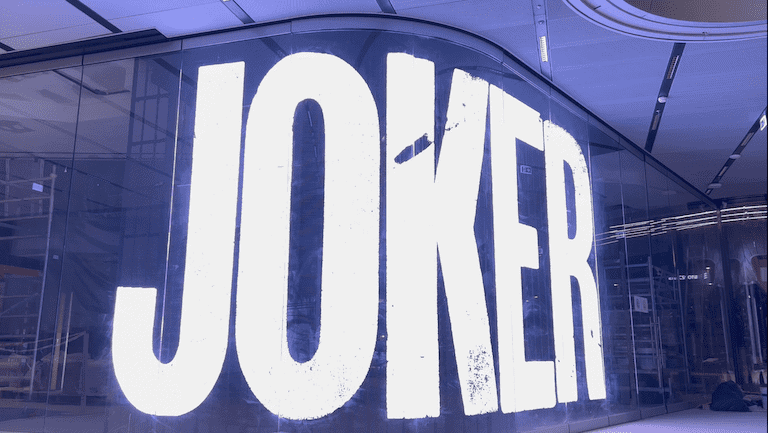
MOL Campus, the Budapest campus for oil and gas professionals designed by Foster + Partners, installed a transparent LED display from Dynamo LED Displays on one of its main buildings (case study published November 2022). The screen shows the company logo and what is on around the campus during the week. As Daniel Reynolds of Dynamo LED Displays put it, there are many ways to use this kind of technology: “For instance, it can be used as a billboard or for digital signage.”
Transparent LED display specification at MOL Campus
The display uses cable-free LED cabinets with high-brightness LEDs and can be used both indoors and outdoors. It has a resolution of 1792 × 512 pixels with a pixel pitch of 7.7 mm vertically and 3.8 mm horizontally, and can be configured to show different images depending on the message. Content can be chosen from a smartphone or tablet, or through Dynamo’s online platform.
| Project spec | Detail |
|---|---|
| Client | MOL Campus |
| Location | Budapest, Hungary |
| Architect | Foster + Partners |
| Display type | Transparent LED display, cable-free cabinets |
| Resolution | 1792 × 512 pixels |
| Pixel pitch | 7.7 mm vertical × 3.8 mm horizontal |
| Environment | Building-mounted; cabinets rated for indoor and outdoor use |
| Content | Company logo and campus programme, updated from a smartphone, tablet or online platform |
Why MOL Campus chose a transparent LED display
MOL Campus, built by Foster + Partners, is the largest education facility for oil and gas professionals in Europe, with capacity for up to 3,000 students from many nations. The brief was an engaging environment for that community, and a screen that would carry the campus messaging without turning the building facade into a solid billboard.
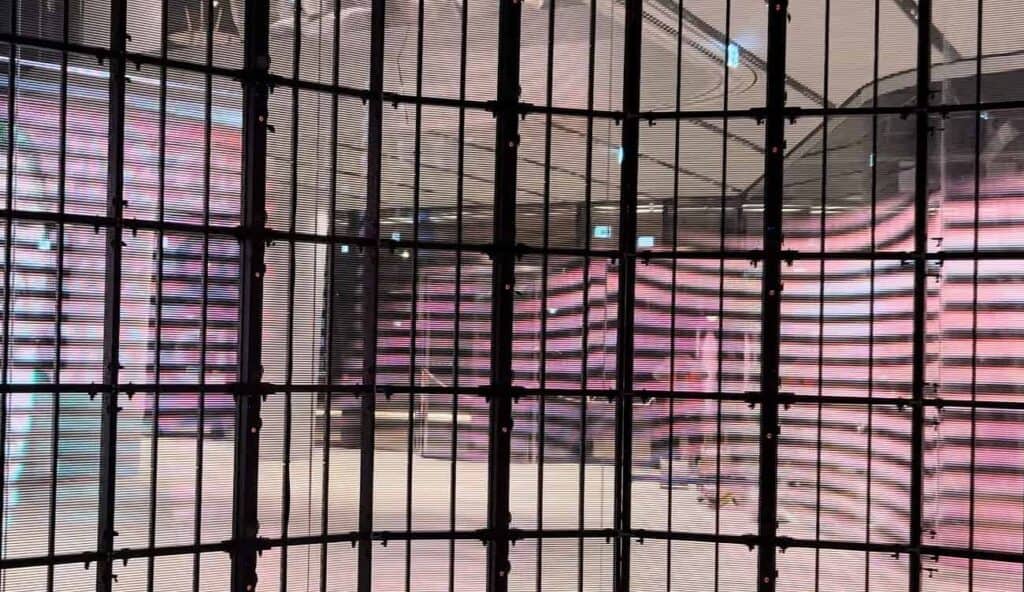
“The screen is designed to focus on the content, not on itself,” says Daniel Reynolds. “We wanted it to be an attractive backdrop that would complement the content but not overwhelm it.” The result is a display that allows light through the front and is see-through from the back.
How the transparent display is controlled
Images and video are selected from a smartphone or tablet, or through Dynamo’s online platform, so the campus team can change what the screen shows without specialist help. The display can run as a standalone screen showing images and video, or as part of an interactive installation where users interact with parts of it.
What transparent LED enables in architecture
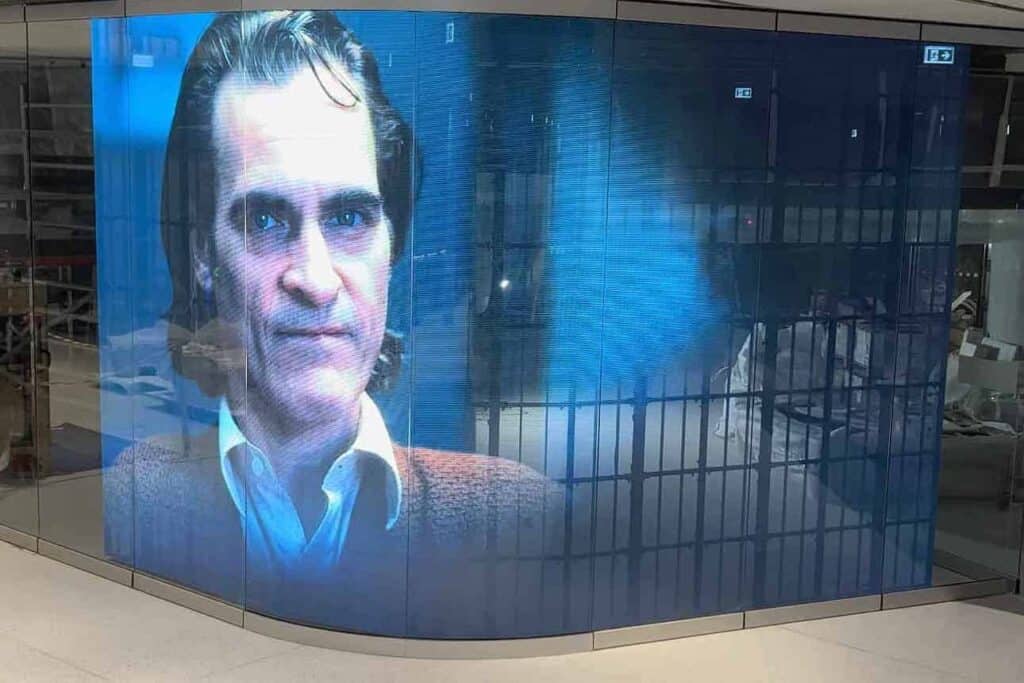
A transparent LED display opens up new ways of using video in architecture and design: the building keeps its glazing and daylight, and the screen carries the content. It can be treated as a billboard or as digital signage, indoors or outdoors, and passers-by tend to pause for moving content on an illuminated window in a way they do not for a printed sign. For glazing where a cabinet system is not wanted, transparent LED film applies directly to existing glass; the transparent LED displays page covers the cabinet range used at MOL Campus.
Transparent LED Display at MOL Campus: Frequently Asked Questions
What pixel pitch does the MOL Campus transparent LED display use?
The MOL Campus display has a pixel pitch of 7.7 mm vertically and 3.8 mm horizontally, giving a resolution of 1792 × 512 pixels across the building-mounted screen. Transparent LED cabinets carry their LEDs on narrow strips with open gaps between them, which is why the vertical and horizontal pitches differ: the gaps are what let light and the view pass through. The screen is sized for viewing from the campus grounds and the street rather than at arm’s length.
Can the transparent LED display be seen from both sides?
The display lets light through the front and is see-through from the back, so people inside the building keep their view out while the content faces the campus. The picture itself is designed for the front-facing audience; from behind, the screen reads as a lightly veiled window rather than a mirrored image of the content. That is the property that makes transparent LED usable on glazing where a solid screen would block daylight.
Is the MOL Campus transparent LED display indoor or outdoor?
The screen is mounted on one of the main campus buildings and uses cable-free LED cabinets with high-brightness LEDs that are rated for both indoor and outdoor use. The same cabinet system can therefore sit behind glass in an atrium or face the weather on a facade, with the brightness set for the ambient light at the installation position.
How is content updated on the transparent LED display?
Content on the MOL Campus display is selected from a smartphone or tablet, or through Dynamo’s online platform, so the campus team can change the images and messages it shows without specialist help. The screen can run as a standalone display of images and video or form part of an interactive installation where visitors interact with parts of it.
How does a transparent LED display compare with transparent LED film?
A transparent LED display such as the MOL Campus screen is a cabinet-based system: rigid, cable-free cabinets mounted to a structure, rated for indoor and outdoor use, with a pitch of 7.7 mm × 3.8 mm here. Transparent LED film is an ultra-thin, self-adhesive LED layer applied directly to existing glass, suited to retail windows and glazing where no cabinet structure is wanted. Dynamo supplies both; the choice follows the glazing, the viewing distance and whether the screen faces the weather.
The MOL Campus installation shows a transparent LED display used as an architectural surface: the building keeps its glazing and daylight, and the screen carries the campus messaging from a building-mounted position. Company facts, the 3-year return-to-base warranty and the installation basis are on the Dynamo company fact page.